
 English
 Français
 Deutsch
 Italiano
 Español
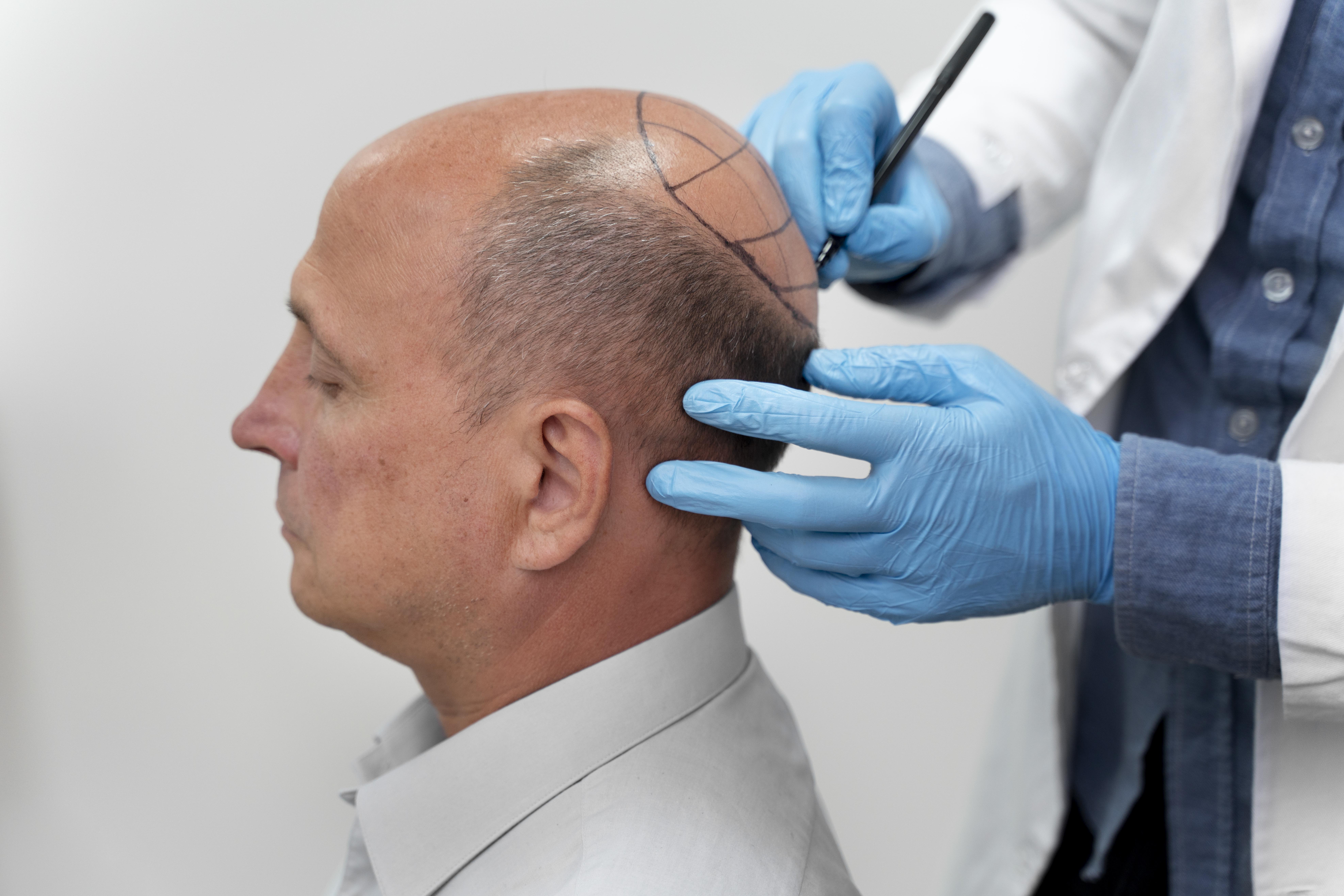
Thanks to natural-looking results and advanced techniques, hair transplantation has become one of the most preferred aesthetic procedures worldwide. With proper planning, it is possible to achieve a dense and completely natural appearance.
Here are 6 essential points you must know before undergoing a hair transplant:
-
Donor Area Analysis Is the Most Critical Step
A strong donor area in the nape region is essential for a successful hair transplant. The quality, density, and direction of the hair follicles directly affect the final results. -
The Technique Should Be Personalized
Techniques such as FUE, Sapphire FUE, and DHI are chosen according to individual needs.
• FUE: Widely used, fast recovery
• Sapphire FUE: Thinner channels, denser placement
• DHI: Allows unshaven or minimally shaven transplantation -
Hairline Design Is the Heart of Aesthetics
The hairline should be designed according to facial proportions—not too straight, not too high. The most natural look is achieved when the line matches your age and facial structure. -
Post-Operative Care Determines the Results
The first 10 days are crucial. Washing, crusting, edema control, and medication adjustments must be monitored by the specialist team. -
Shock Shedding Is Normal
Temporary shedding between 2–8 weeks after the procedure is a natural phase. Permanent hair starts to grow from the 3rd month, and final results become clear by the 12th month. -
The Longevity of Results Depends on Personal Factors
Age, genetics, lifestyle, and aftercare habits play a decisive role in long-term success.
Remember: With the right planning and a professional team, a hair transplant is a safe investment that offers natural and lasting results.
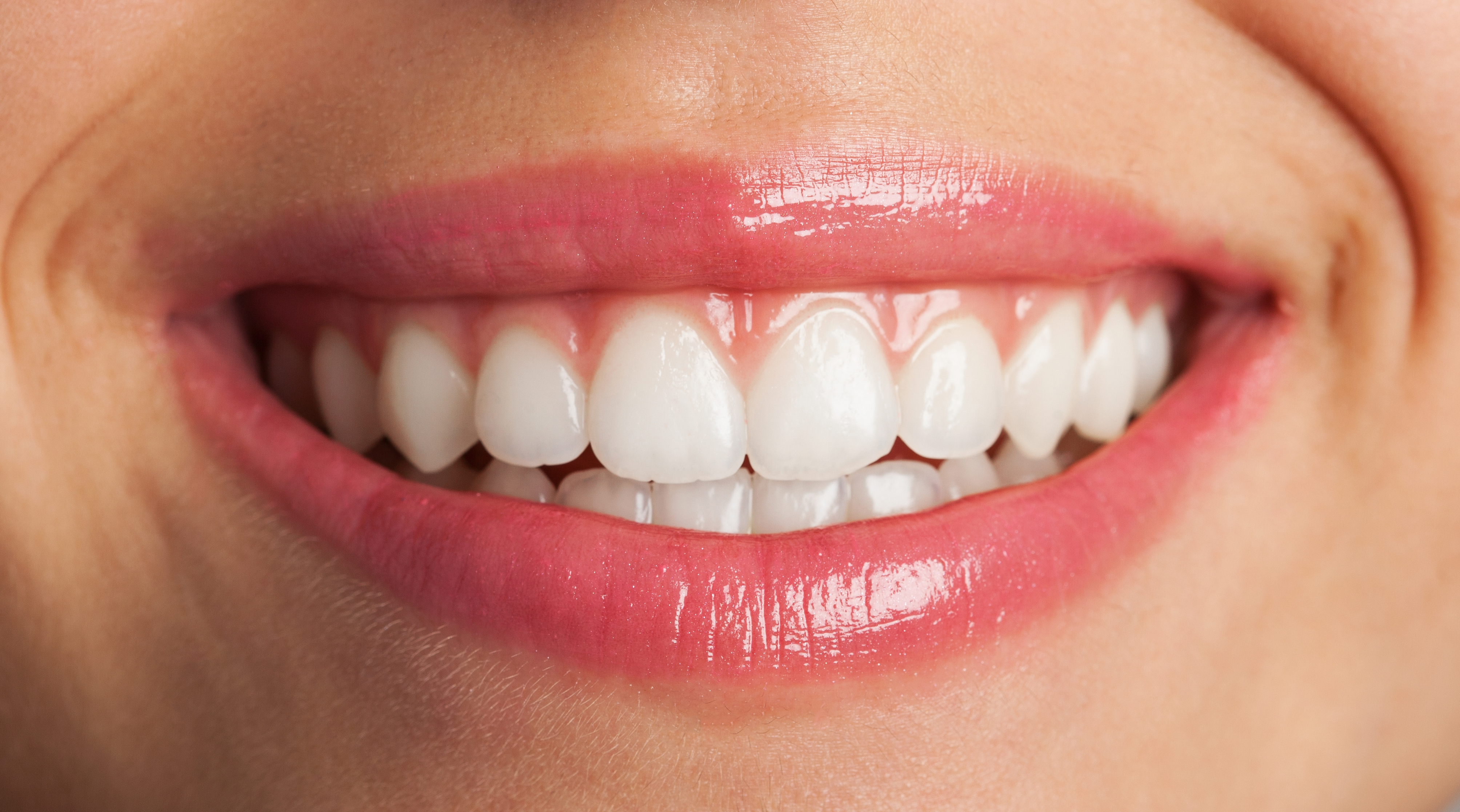 The 4 Most Preferred Methods in Modern Dental Aesthetics